
Introduction
A drop in temperature can cause some of the starter problems in a vehicle. The major problem is that the car won’t start right away in winter. The summer temperature difference puts extra strain on the starter. The vehicle’s electrical system is also affected.
Low temperatures have a significant impact on the following:
- Reduced battery power
- Increased resistance
- Thickening of the engine oil
All these reasons make it difficult to turn on a vehicle. You will learn more about how cold weather affects starting motors in this post. There will also be suggestions for overcoming these problems.
Role of the Starter Motor

The starter motor is the vehicle’s smallest and most potent part. The combustion process begins as the driver presses the start button and turns the key. The combustion engine is started by the flywheel engaging with the starter and spinning. To start the combustion engine, a significant amount of electrical current is needed. Clean connections and a robust battery are therefore necessary for the procedure. The low temperature will cause the starter motor to delay starting and result in total failure.
Why Starter Motors Are Affected by Cold Weather
Cold temperatures impact the starter motor in the following way:
- The low temperature slows the battery’s chemical reactions and power supply.
- The thickening of engine oil caused by freezing conditions makes it difficult to turn the starter motor. The internal components won’t move easily.
- The resistance between the components increases.
- If the condition persists, the starter brushes, solenoids, and internal gears will be damaged.
Cold Weather Starter Problems & Their Early Signs
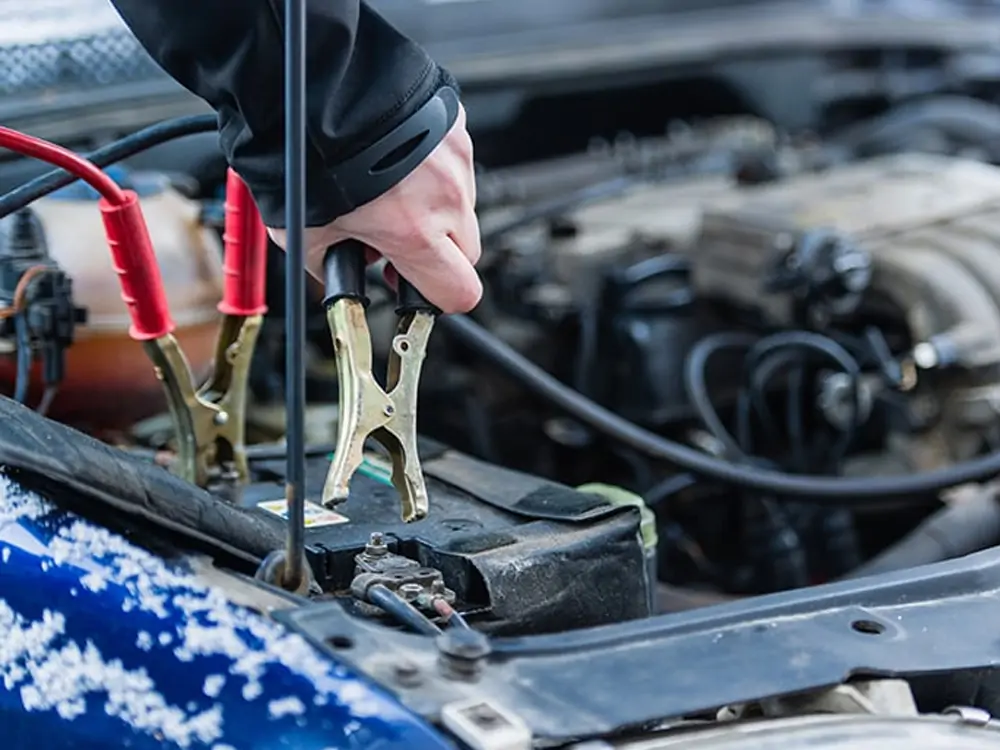
Before the problem happens, there will be signs. Here are the details for the early signs and problems with the starter motor:
Slow or Sluggish Cranking
The starter motor struggles during the start on cold mornings. It may be due to slow cranking. A lack of power supply to the starter causes it to wear out.
Rapid Clicking or No Crank at All
If the vehicle makes a rapid clicking sound, it means the starter is not receiving enough electrical power. Weak signals to the starter solenoid are the reason for the problem.
Grinding Noise on Startup
The engine makes a clicking sound, and the flywheel and starter gear are not engaging correctly. Ignorance of the problem may worsen the condition.
Intermittent Start (Fails in the Cold, Works in the Warm)
The battery’s performance is impacted by cold temperatures. If the battery works normally on a regular day but struggles on a cold morning. It means that the cold weather is impacting the battery and starter motor.
Overheating Starter After Multiple Attempts
The starter motor overheats due to repeated attempts to start the vehicle. This usually occurs in winter.
How to Avoid These Problems This Winter
There are specific precautions that the driver can take to avoid these problems in winter.
- They must check their battery before winter arrives. A weak battery won’t perform in cold weather.
- Check the battery terminals for corrosion to maintain a strong connection.
- The driver must search for engine oil that won’t be affected by temperature differences. Thin oils provide greater lubrication for the engine components.
- Protecting the vehicle from direct weather is the best precaution. Keeping it under the roof or under a shelter will help maintain the vehicle’s temperature.
- The driver must assess the warning signs that the vehicle is exhibiting. If the driver is aware of the problem, it could be fixed as soon as possible.
Conclusion
The starter can be tested by cold weather, though most problems can be avoided. Early battery inspection is crucial. Clean the terminals and use the right engine oil. The vehicle emits warning sounds. Turn off immediately if the cranking is slow or if there is clicking. Minor actions save time and money. The car will start with little effort, even on the coldest mornings. If the driver checks for hazardous signals early, all of these issues can be avoided.