
Have you heard grinding noises while starting the vehicle? It is typically due to starter motor issues. Harsh grinding, scraping, or metallic noises during vehicle start are serious issues and must be treated properly.
We will explain starter motor grinding noises, their main causes, and possible solutions.
What Does a Starter Motor Grinding Noise Mean?
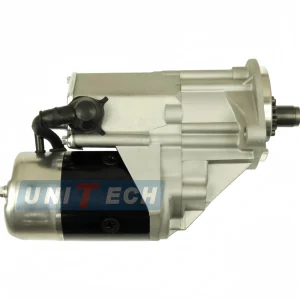
Starter motor grinding noises occur when the starter pinion gear fails to engage smoothly with the flywheel ring gear.
The mechanism is simple. When the driver starts the engine, the starter solenoid pushes the pinion gear forward. The pinion gear connects with the flywheel ring gear and turns the engine crankshaft. It smoothly engages and disengages after the task is completed.
Unfortunately, due to many issues, the starter motor may produce grinding noises. It can occur during engine startup or after the engine starts.
Common Causes and Possible Repair Solutions
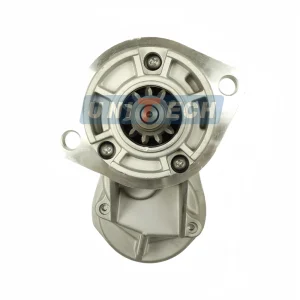
Several issues can cause starter motor grinding noises. We have added the best possible solutions to each cause.
| Common Cause | Main Symptoms | Repair Solution |
| Worn pinion gear | Grinding during cranking | Replace starter drive or starter |
| Damaged flywheel teeth | Intermittent grinding | Repair or replace flywheel/flexplate |
| Faulty solenoid | Clicking or incomplete engagement | Replace solenoid |
| Incorrect installation | Repeated gear grinding | Correct starter alignment |
| Loose mounting bolts | Vibration and grinding | Tighten or replace hardware |
| Worn Bendix drive | Free spinning or delayed engagement | Replace starter drive |
| Incorrect starter model | Poor gear engagement | Install compatible starter |
Cause #1: Worn Starter Motor Pinion Gear
The pinion gear is a small component connected to the starter motor. It engages with the flywheel and smoothly transmits power to the engine.
When the pinion gear is worn out, it may show a few signs:
- Grinding noise during startup.
- Difficulty engaging the engine.
- Intermittent starting problems.
- Visible damage to pinion gear teeth.
Possible Solution:
Inspect the pinion gear and starter motor for damage. Look for any visible signs of damage. Replace the starter motor if it is beyond repair.
Cause #2: Damaged Flywheel Ring Gear
Another component that engages with the pinion gear is the flywheel ring. If it is worn out, you may expect abnormal noises.
The common signs and symptoms are:
- Grinding noise at specific engine positions.
- Starter motor spinning without turning the engine.
- Intermittent starting failure.
- Visible damage to flywheel teeth.
Possible Solution:
Inspect the entire gear by manually rotating the engine to the specified limits. Check for visible signs of damage, remove the flywheel, and replace the gear. Sometimes, the whole flywheel needs to be replaced.
Cause #3: Incorrect Starter Motor Installation
Sometimes, the issue is with the installation rather than component wear or damage. Improper starter motor installation can cause misalignment and poor engagement. During startup, you may hear unnecessary and abnormal sounds. The signs include:
- Incorrect starter motor model.
- Missing mounting bolts or spacers.
- Incorrect bolt length.
- Improper mounting position.
- Damaged mounting surfaces.
- Incorrect starter alignment.
Possible Solution:
Inspect mounting surfaces, bolts, spacers, and alignment. Install and tighten the starter motor components according to specified limits. Ensure proper engagement with testing.
Cause #4: Faulty Starter Solenoid
The starter solenoid controls pinion movement. When needed, it moves the pinion gear forward and helps start the motor.
If the starter solenoid is not functioning properly, there may be a few signs.
- Clicking sounds when starting.
- Delayed starter engagement.
- Intermittent starting.
- Starter motor spinning without engaging the engine.
- Starter remaining engaged after the engine starts.
Possible Solution:
Test the solenoid’s electrical operation and inspect its plungers and contacts. Check for sticking, excessive wear, or weak engagement. Replace the solenoid if it doesn’t work properly.
Cause #5: Incompatible Starter Motor Specifications
If the starter motor looks similar, it doesn’t mean it has the same features. Two similar starter motors may have different pinion gear dimensions. Therefore, you should check each one’s compatibility.
You should check the compatibility of specs, such as:
- Pinion gear tooth count.
- Pinion gear diameter.
- Mounting flange dimensions.
- Starter motor rotation direction.
- Voltage and power rating.
- Pinion travel and engagement depth.
Possible Solution:
When buying, check the starter motor part number. Verify the vehicle’s make, model, engine type, and production year. Check compatibility and operation.
Step-by-Step Guide: Diagnose Starter Motor Grinding Noise
Correctly diagnosing motor grinding noises helps identify the issue. We can also treat them effectively.
Step 1: Identify When the Grinding Noise Occurs
| Noise Condition | Possible Cause |
| Grinding during cranking | Worn pinion or flywheel teeth |
| Grinding at specific engine positions | Damaged flywheel ring gear |
| Grinding after engine starts | Sticking solenoid or starter drive |
| Intermittent grinding | Loose mounting or worn gear teeth |
| Starter spins without cranking | Failed pinion engagement or drive clutch |
First, you should understand when the grinding noises occur. Once you know, it is easier to take the right steps.
Different conditions and timing of noises may indicate different causes. For example:
Step 2: Check the Battery and Electrical Connections
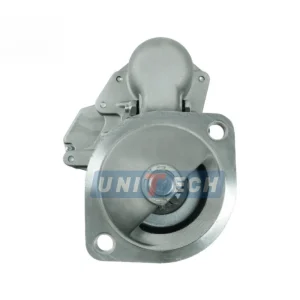
In addition to mechanical issues, electrical issues can also create the noises. A weak battery may slow the electrical supply to the starter motor. This can cause grinding noises during operation.
Similarly, damaged or worn-out batteries provide an intermittent electrical supply and cause noises.
Step 3: Inspect the Starter Motor
The starter motor is a fundamental component. If it is not working properly, it may produce noises. Different types of noises are often associated with the starter motor. The common inspection points include:
- Rounded or broken gear teeth.
- Damaged pinion gear.
- Excessive wear.
- Sticking drive components.
- Loose or damaged mounting hardware.
- Signs of overheating.
Step 4: Inspect the Flywheel Ring Gear
In addition to the starter motor, the flywheel ring gear may also be the issue. If it is damaged or lacks proper teeth, it may make noise.
Replacing or repairing the starter motor won’t correct the issue unless you address the flywheel ring gear.
Step 5: Check Starter Alignment and Mounting
To identify the actual issue, check the alignment. Inspect the starter motor alignment and mounting.
Ensure the starter motor is installed correctly. Use the proper mounting bolt size and torque. Install the correct spacer or shim. Check that the mounting surfaces are clean and undamaged. There must be proper pinion-to-ring-gear clearance.
Any issue in such a case is typically the reason behind the grinding noises.
Conclusion
If you have experienced grinding noises from starter motors, don’t ignore them. They are symptoms of serious issues with the system. Common causes of starter motor grinding noises are worn starter gears, damaged flywheel teeth, faulty solenoids, incorrect installation, and loose mounting bolts. Address these issues promptly before they snowball.
For high-quality starter motors, you can contact UNITECH Motor. We have 15+ years of experience in manufacturing quality starter motors. Our motors have premium quality and deliver excellent performance. Contact our experts to discuss your requirements!