
People in the automotive industry should be familiar with the functions of an alternator. It is an essential component of an automobile’s electrical system. It helps to convert mechanical energy into electrical energy. It ensures the battery is charged and that other systems operate correctly.
There are different alternator wholesale manufacturers available in the market. Making the right decision about the buy impacts the automotive business. An alternator from a reputable company is known for its excellent reliability. It will have a positive impact on the vehicle’s performance.
This alternator wholesale guide provides an overview of how alternators operate and what to look for when purchasing one. It will help you ensure that you are not buying an incompatible alternator.
What is an Alternator?

All vehicles have an engine and electrical components. They need electrical energy for functioning. The car’s alternator helps charge the battery and keep the engine running. A battery’s voltage is around 12 Volts, and the average alternator output is around 13-14 Volts.
Once the engine starts, the alternator takes over. Supplying power to the components and charging the battery. The working principle of an alternator follows the law of electromagnetic induction.
The rotational energy is converted into electrical energy. This energy is then stored in the battery. It must convert the AC power into DC. For that purpose, the copper wires are connected to the rectifier, which converts AC power to DC. The built-in regulator regulates the alternator’s voltage. This helps prevent overcharging and engine damage.
Classification of Alternators
The classification of alternators is based on their features.
Types of Alternators Based on Their Applications
- Car alternators
- Diesel-electric alternators
- Marine alternators
- Brushless alternators
Classification Based on the Design
· Salient pole rotor
The alternators’ poles are mounted on the magnetic wheel. Applications that require low speed use a salient-pole rotor alternator.
· Smooth cylindrical Rotor
It has a solid steel cylinder with slots for winding. They can be used for high-speed operation, such as in gas turbine applications.
Alternators Based on the Number of Phases
· Single-phase alternators
Alternators that generate single-phase alternating voltage can be used for low-voltage applications.
· Two-phase alternators
These alternators generate two separate voltages.
· Three-phase alternators
To maintain a steady power supply, the vehicles use a three-phase alternator. That can generate high output voltages. That is required to run all the systems in the vehicle.
· High-Output Alternators
High-output alternators are designed for vehicles that need more amperage, typically 130-220 amps. They drive sophisticated sound systems, high-wattage lighting, and other accessories. They use brushless technology, which means they require less maintenance. These alternators offer improved durability and a longer lifespan. They keep the same ability to charge batteries.
· Regular Alternators
In most vehicles, the alternator uses carbon brushes. They weigh more, generate lower voltages at higher speeds, and have a shorter service life than the high-output models. They are, however, reliable for driving simple vehicle systems and remain cost-effective for most applications.
How to Choose a High-Quality Wholesale Alternator
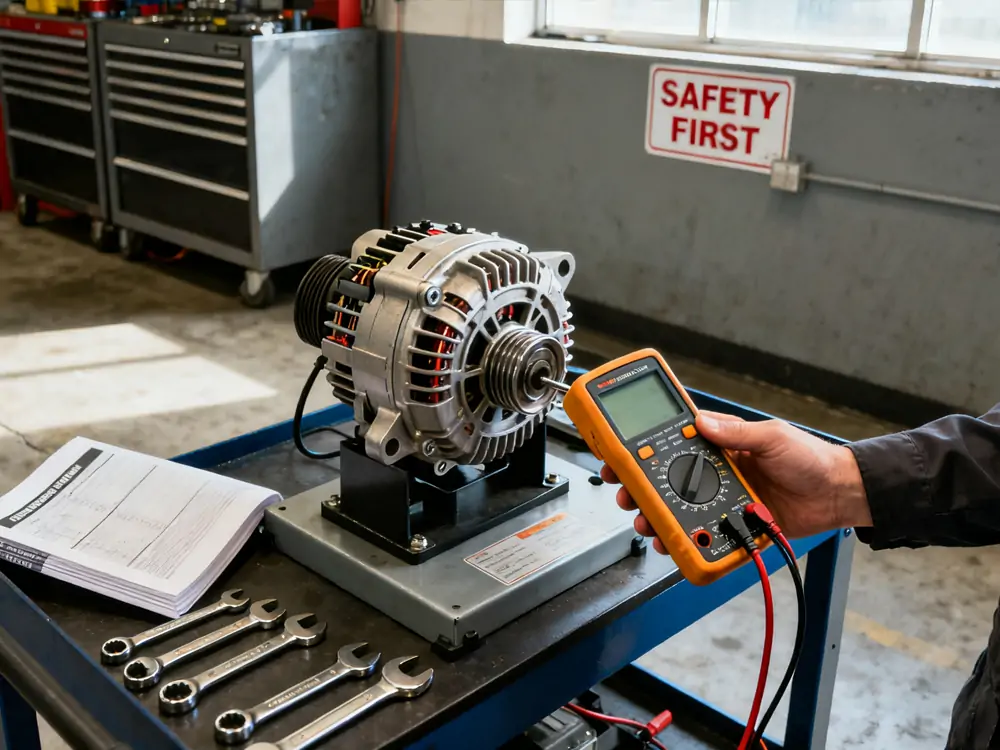
To get the best wholesale alternator, you need the correct information. Here are some steps to take before deciding to purchase the alternator. The best alternator is the one that fulfils your requirements.
Core Specification Evaluation
- The idea of assessing the core specifications is to realize that alternators come in different sizes and voltages.
- The first step is to assess the alternator’s mounting position. It means that the alternator you are replacing fits in the vehicle.
- In some vehicles or machinery, the alternators have regulators that may affect or change the amperage. Make sure the alternator produces the same voltage as the car requires.
- The normal Amperage for a vehicle is 100-150 amps, while for high-voltage requirements, 180 amps are required.
Parts Prioritization
The alternator has components such as a pulley, brushes, rectifiers, and a voltage regulator.
- When choosing the best alternator brand. Ensure that all parts are in good condition and meet the vehicle specifications.
- If the alternator has a high-quality voltage regulator, there is a minimal chance of overcharging or burning out.
- To avoid premature battery failure, the rectifier should be of high quality. It will convert AC to DC and provide a constant electrical current supply.
- Check the brand’s market reputation and whether they use OEM or remanufactured alternators.
Quality Certification
- When choosing alternators, it is always essential to select those that comply with industry standards, such as CE certificates.
- ISO 9001quality management and ISO 14001 for environmental safety that assess the quality of the alternator.
- As a purchaser, it is professional to work with recognized suppliers to eliminate the risk of early failure or warranty claims.
Performance Testing
A reliable or reputable alternator supplier must perform performance testing under experimental conditions. It will help to assess the performance in real-life settings. You should select the alternator that has passed the performance testing.
Recommended Tools
To test the alternator’s performance, use a digital multimeter and a wattage calculator. The worker must check the alternator model. That is done using compatibility charts or the manufacturer-provided vehicle database. By doing this, the user can get an idea of the alternator before installing it.
OEM vs. Aftermarket Alternators
For proper alternator operation, it is essential to check them regularly to detect potential defects. Two kinds of alternators could be used in a vehicle. Here are the differences between the two:
| Characteristics | OEM Alternator | Aftermarket Alternator |
| Definition | OEM alternators are original equipment manufacturer alternators made to the vehicle’s specifications. | Aftermarket alternators are those whose parts are replaced with lower-quality parts. |
| Reliability | All alternator parts, such as bearings, pulleys, and brushes, are in accordance with the vehicle specifications. So, the OEM alternators have excellent reliability. | The parts are replaced with cheaper options that will compromise the alternator’s reliability. |
| Durability | High | Medium |
| Cost | High | Low |
| Performance | The alternator is specified for the vehicle, so it performs well. | The alternator may have some drawbacks due to the used parts. But some have performance that exceeds that of OEM alternators. |
| Warranty | The OEM alternators come with a warranty. | Some brands offer warranties. |
Common Pitfalls and Solutions
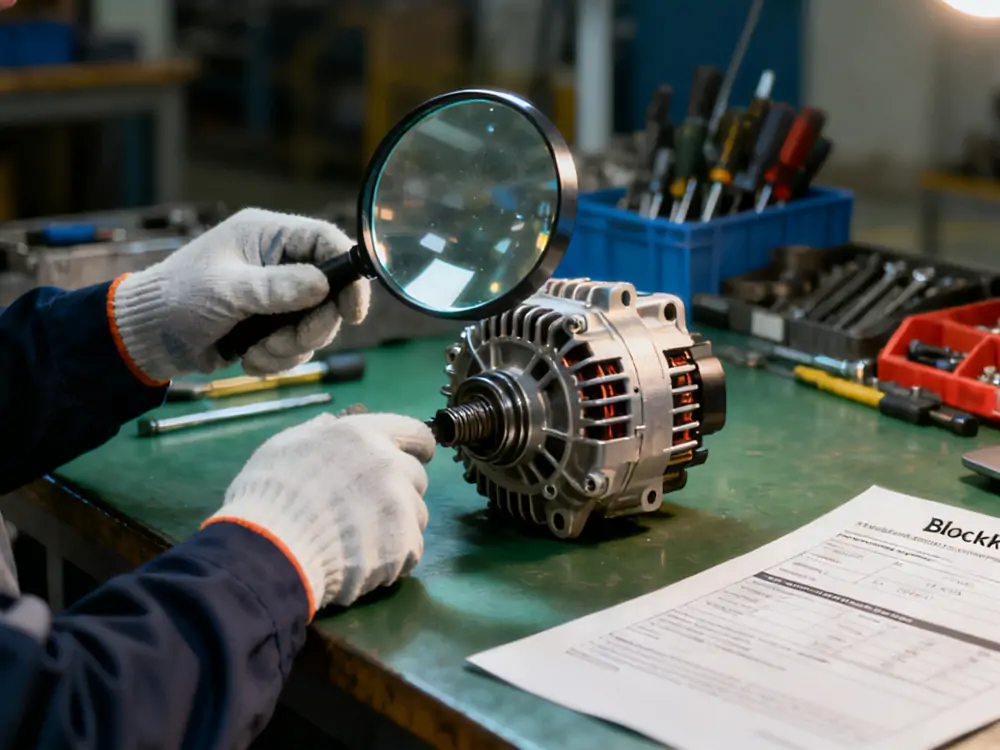
· Rise of Counterfeit Parts
There are suppliers in the market that use counterfeit parts in alternators. These parts will affect the alternator’s performance and reputation. In this case, there is a need to implement blockchain traceability. This means assessing the product from production to supply.
· Compatibility Issues
Suppose the manufacturer uses alternator parts that do not comply with the manufacturer’s guide. It will result in electrical failure and reduced efficiency. You can overcome the flaw by utilizing advances in AI combined with CAD. It will produce a model that predicts a vehicle’s compatibility with its parts.
· Exchange Rate
The alternator’s exchange rate fluctuates with currency rates. The increased locating cost is due to an unexpected currency increase. The solution is to quote the alternator price in USD so that fluctuations won’t affect the overall cost. It will help the users from market volatility, and the price is predictable.
Conclusion
Selecting a suitable wholesale alternator is a significant concern. It will help achieve stable car operation, longevity, and value. Knowledge of the various forms of alternators, including high-output and remanufactured models, can enable businesses to make informed buying decisions. Those are likely to meet technical and operational demands.
If you have a repair shop, a marina to run, or you distribute automotive parts, having trusted suppliers can ensure quality and efficiency. Unitech Motor can provide R&D, production, and sales of different automotive parts. The company is a reliable supplier of automotive parts, providing competitive prices and a full range of services.