
The alternator is a key component of a vehicle’s charging system. It maintains a charge on the battery and supplies electricity to the electrical components while the engine is running.
This is made possible by two main components, the stator and the rotor. The rotor is a rotating part of the alternator that produces a magnetic field. This field penetrates the stator windings, generating electrical current.
They function differently, but the alternator requires both to operate. Damage to either can impact production and result in charging issues. This post will break down each component and what may go wrong with each one.
Key Highlights:
- The fixed part of an alternator is called the stator. It has copper windings.
- The rotor spins inside the stator and generates a magnetic field.
- The battery may not charge due to a bad stator or rotor.
- A multimeter can be used to locate faults in the stator/rotor.
Understanding the Alternator Stator and Rotor
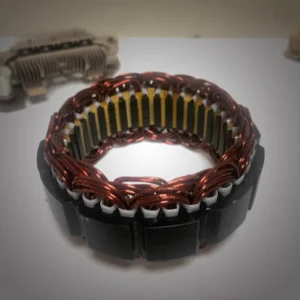
Alternators have two main components: the stator and rotor. They work together to produce electricity. However, each has a different role.
1) What Is an Alternator Stator?
The part of the alternator that does not move is the Stator. Does not move when the motor is running. It is made up of a steel core and wrapped with copper windings.
The stator is outside the rotor. The rotor’s magnetic field cuts through the copper windings as the rotor rotates. This results in alternating current (AC) [2][3].
The stator shall have the capability to withstand heat and electrical stress when in operation. A damaged winding can decrease the alternator’s output.
2) What Is an Alternator Rotor?
The rotating portion of the alternator is the rotor. It spins on a shaft in the stator. It contains a field coil that produces a magnetic field when an electric current is fed through it.
The drive belt drives the rotor while the engine is operating. The rotor’s magnetic field passes through the stator windings. This contributes to electricity generation [2][3].
Other rotor components include slip rings and claw poles. These help develop and maintain the magnetic field.
Alternator Stator vs. Rotor: Key Differences
The stator and rotor in an alternator have different functions. The rotor rotates, while the stator is stationary. The key differences between them are listed below.
| Feature | Alternator Stator | Alternator Rotor |
| Position | Fixed inside the alternator | Spins inside the stator |
| Main Parts | Steel core and copper windings | Shaft, field coil, and claw poles |
| Main Function | Produces electrical current | Creates a magnetic field |
| Movement | Remains stationary | Rotates with the engine |
| Electrical Output | Produces AC power | Supplies the magnetic field needed to produce power |
| Common Faults | Burnt or damaged windings | Coil failure or worn slip rings |
For the alternator to generate power, both parts are required. Their failure may decrease output and affect battery charging [2][3].
How the Alternator Stator and Rotor Work Together
The rotor and Stator create electricity. The drive belt rotates the rotor when the engine is operating. It has a field coil that produces a magnetic field. This field rotates within the stator and cuts the copper windings in the stator [2][3].
As the magnetic field passes over the stator windings, it creates alternating current (AC). This is known as electromagnetic induction. The faster the magnetic field moves, the higher the alternator’s output.
This AC power is then sent to a rectifier by the alternator. It is then converted into direct current (DC) by the rectifier. This power is used to keep the battery charged. The same power also powers the car’s electronics [2][3].
For the alternator to provide sufficient power, both parts need to be functioning correctly. If either part has a problem, the output can be reduced.
Common Alternator Stator and Rotor Problems
Over time, the stator and rotor may wear out. These components may be damaged from heat, vibration, and overloads. Either can reduce the alternator’s ability to produce power.
Burnt Stator Windings: Cu windings can burn out due to excessive heat. This may cause the alternator to produce less power or fail to produce power completely.
Rotor Coil Failure: The rotor coil could have an open or short circuit. This can weaken the magnetic field and impact power generation.
Worn Slip Rings and Brushes: These components conduct current to the rotor coil. As they wear down, the rotor may not form a strong magnetic field.
Damaged Bearings: Worn bearings can cause the alternator to make loud noises. They can also adversely affect the rotor’s smooth motion.
Electrical Short Circuits: Damaged insulation can cause a short in the stator or rotor windings. This can result in inadequate charging or alternator failure [1, 2, 3].
These issues may cause the battery warning light to come on. In addition, the lights might flash, or the battery may fail to charge. Proper testing can help determine the location of the fault.
How to Test an Alternator Stator and Rotor
The following simple tests can detect faults in the stator and rotor. These checks can be performed with a digital multimeter. Before testing the alternator’s internal parts, disconnect the alternator.
1) Testing the Stator
First, visually inspect the stator windings for damage. Check for signs of burning, frayed wires, or damaged insulation.
Next, use a multimeter to check the winding resistance. Check the readings on the different stator windings. They must be in proximity to each other. If the difference is large, it could indicate a winding problem.
A short between the windings and the stator core is also possible. If the connection is not desirable, it may indicate insulation failure [1][3][4].
2) Testing the Rotor
The rotor is tested by placing the multimeter probes on the two slip rings. Compare the resistance value with the manufacturer’s value.
If the reading is very high, it could indicate a blown coil. If it is very low, it could indicate a short circuit. Also inspect for any undesirable relationship between the slip rings and the rotor shaft [2][3][4].
Additional testing may be required if either part fails these tests. Do not replace the damaged part without confirmation of the fault.
FAQs:
1) What Is the Main Difference Between an Alternator Stator and Rotor?
The portion of the alternator that does not move is called the stator. It contains copper windings that generate electric current. The rotor spins inside the stator and creates a magnetic field. Both portions contribute to power production [2][3].
2) What Will Happen if an Alternator Rotor Fails?
A faulty rotor may not create a strong magnetic field. This can decrease the alternator’s output. The battery may not charge properly. In extreme cases, the alternator could stop generating electricity.
3) Can a Damaged Stator Cause Battery Charging Problems?
Yes. If one or more stator windings are damaged, the alternator’s output could be lower. This can cause the battery to lose charge. You might also see a battery warning light or have trouble starting the vehicle [1][3].
Final Thoughts!
The stator and rotor are both vital parts of an alternator. The rotor generates a magnetic field that the stator uses to generate electricity. In either case, a fault can impact the charging system.
Checking the valves regularly can help detect issues early. Test the battery and alternator before replacing either if the alternator is not charging the battery. This can help identify the fault and prevent replacing parts that might still be functioning.
In search of good alternator parts? Contact Unitech Motor to find the right vehicle components.
References:
[1] HELLA. “Checking the Alternator.“
[2] U.S. Navy. “Automotive Electrical Circuits and Wiring.“
[3] DENSO. “Starters & Alternators: Characteristics.“
[4] Toyota. “Alternator: Testing and Inspection.“