
The alternator charges the car battery. It also powers the lights and other electrical components while the engine is running. The alternator sends out its power through the voltage regulator. Helps maintain the charging voltage within the manufacturer’s specification range [1][3].
The battery could receive excessive or insufficient voltage if the regulator fails. This may result in charging issues. It can also damage the battery or other components [2][4].
In this article, we will explore how the regulator works. It also provides guidance on how to test it.
Key Highlights:
- The voltage regulator controls the alternator’s power output.
- A bad regulator can lead to battery overcharge or undercharge.
- A multimeter is a useful tool for measuring the alternator’s output voltage.
- Wiring and connections can also affect the charging system.
- If the battery and alternator are not the problem, replace the regulator.
How an Alternator Voltage Regulator Works

The alternator generates electricity using the engine’s power. It has a rotor that rotates within a copper winding. This produces an electric current. The alternator’s output is regulated.
1) The Role of the Voltage Regulator
The voltage regulator prevents the voltage from getting too high or too low. It measures the voltage of the vehicle’s electrical system. It then adjusts the current that flows through the rotor. This ensures the alternator can provide sufficient energy to charge the battery [1][3].
2) How It Controls Alternator Output
The regulator regulates the current in the rotor winding. This current produces a magnetic field. The stronger the current (more power), the stronger the field. This helps to generate more power from the alternator.
When the battery requires additional charging current, the regulator passes it. When the voltage becomes too high, it decreases that current. This ensures that the battery is not overcharged [1][3].
Most contemporary alternators will contain a built-in regulator. Older models have a separate unit. The operation of both types is similar in terms of controlling the alternator output [1].
Signs of a Faulty Alternator Voltage Regulator
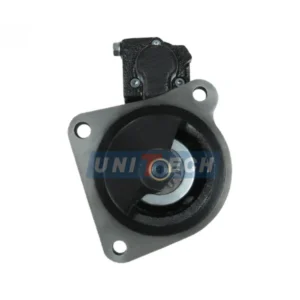
A bad voltage regulator will affect the alternator’s ability to charge the battery. Multiple warning signs may come with the problem. Some of these are easy to see while using.
- Battery Overcharging: This can lead to the battery being overcharged. This can make it hotter than it should be, or shorten its lifespan.
- Battery Undercharging: The alternator may not be supplying sufficient power to the battery. This can cause the vehicle to have trouble starting.
- Flickering Headlights: Headlights may flicker or dim/brighten. This can occur if there are constant fluctuations in the charging voltage.
- Battery Warning Light: The battery light can come on while the engine is running. This may indicate a problem with the charging system.
- Electrical Problems: Dashboard lights or other electrical components may work poorly. Also, some components may malfunction, simply without warning.
- Battery Damage: Too much charging voltage can cause the battery to become hot or swell. In extreme cases, it can even leak.
These indications are not always a sign of voltage regulator failure. Battery deficiencies or alternator failures can cause the same issue. An appropriate test can be useful to identify the true cause [1][2][4].
How to Test an Alternator Voltage Regulator
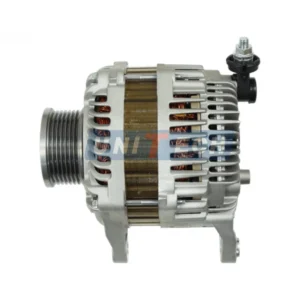
A multimeter helps test an alternator voltage regulator. It can indicate whether the battery is receiving the proper power. The test is easy and doesn’t require removing the alternator.
1) Check the Charging Voltage With a Multimeter
First, stop the engine. Adjust the multimeter to DC volts. Put the red probe on the positive battery terminal. Put the black probe on the negative terminal. At full charge, the battery should read about 12.6 volts.
Then start the engine and check the voltage again. For most cars, the reading should increase to approximately 13.5 – 14.8 volts. This indicates that the alternator is charging the battery.
If the reading is too high or too low, then there may be some problem with the charging system. Regulatory issues may be to blame. Other parts may also require evaluation [1][3][4].
2) What Do Different Voltage Readings Mean?
Below are some general guidelines from the readings. The proper values may differ depending on the vehicle.
| Test condition | Common voltage reading | What it means |
| Engine off | Around 12.6V | Battery is fully charged |
| Engine running | Around 13.5–14.8V | Alternator is charging the battery |
| Engine running | Below 13V | Charging may be weak |
| Engine running | Above 15V | Regulator may be allowing too much voltage |
One reading is not necessarily indicative of a bad regulator. Check the vehicle maker’s recommended voltage range before making a decision [1][4].
3) Check the Wiring and Connections
A loose wire will affect the charging of the battery from the alternator. Examine battery contacts for dirt and corrosion. Check that all wires are secure. Also, check for broken cables and exposed ground wires.
If the connections appear correct and the voltage is still high or low, the regulator may need further testing. The mechanic can test the charging system for problems using a scan tool [1][4].
When Should You Replace the Alternator Voltage Regulator?
If the alternator supplies too much or too little voltage to the battery, the voltage regulator may be bad and need replacement. First, test the battery and alternator. These components can also result in charging issues.
Some alternators have a regulator that can be replaced separately. Other models have the regulator embedded in the alternator. This could involve replacing the entire unit [1][2].
Before buying a new regulator, check its part number and vehicle fit. Select a good-quality component that matches the original. The wrong regulator may cause further charging problems [2][3].
FAQs:
1) What Voltage Should an Alternator Regulator Maintain?
For most 12V car charging systems, when the engine is running, the system operates between 13.5 and 14.8 volts. The actual range depends on the vehicle. Refer to the manufacturer’s instructions for the proper value [1][3].
2) Can a Faulty Voltage Regulator Damage a Battery?
Yes. An improper regulator may feed excessive voltage into the battery. This may cause overheating and shorten battery life. Low voltage can also leave the battery weak or undercharged [2][4].
3) Can You Replace the Voltage Regulator Without Replacing the Alternator?
Yes, in some vehicles. Many alternators have a regulator that can be replaced separately. In other models, the regulator is integrated into the alternator. If so, the entire unit may need to be replaced [1][2].
Final Thoughts!
The alternator voltage regulator is important for maintaining battery charge. A defective regulator can cause charging issues and damage other electrical components.
These can be identified through regular checks. Before replacing any parts, if a warning sign is noticed, the charging system should be tested. This can help you determine the actual cause of the issue.
Need a reliable solution for the vehicle’s charging systems? Contact Unitech Motor to find the right alternator parts for vehicles. Our staff can help you select the best product for your needs.
References:
1) HELLA. “Regulating an Alternator: Functions, Diagnostics and Tips for the Workshop.“
2) HELLA. “Check the Multifunction Controller on the Generator and Replace It Safely.“
3) DENSO Europe. “Starters & Alternators: Technical Manual.“
4) DENSO Auto Parts. “Charging System Diagnosis.“
5) Puzakov A. “Model of Automotive Alternator Output Voltage with Rectifier and Voltage Regulator.“