
A vehicle’s starting system relies on several parts working together. Two small but effective parts are the starter solenoid and the starter motor. At first, it seems both do the same job. After all, they help your vehicle start. But their roles are quite different. This raises a debate: starter solenoid vs starter motor- how do they actually differ? If you are new, don’t worry! In this guide, I will compare both of these parts head to head. So let’s get started.
Differences Between Starter Solenoid and Starter Motor
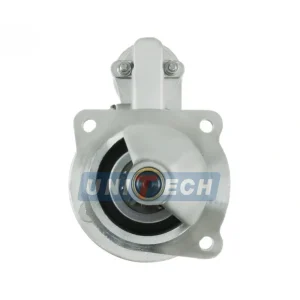
There is no doubt that the starter solenoid and starter motor come together in one assembly. They help your vehicle get started. But they perform different roles. So what actually sets these two parts apart? Here are 8 key distinctions you must know.
1- Main Function & Purpose
The first major difference between a starter solenoid and a motor lies in their function. Basically, the starter solenoid is just like a switch that controls the starter motor. When you turn the ignition key in your car, it receives a small electrical signal. This signal creates a magnetic force inside the solenoid, which moves a small metal part called a plunger. This movement closes the electrical contacts and allows battery power to reach the starter motor. On the flip side, the starter motor has a different responsibility. Once it receives electrical power, it starts rotating and turns the engine through the flywheel. This initial movement helps the engine begin its normal working process.
2- Working Principle & Operation
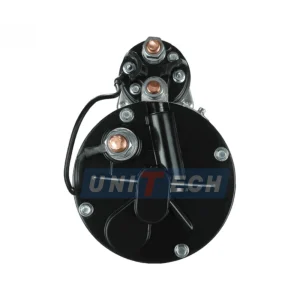
The working of both parts is also very different. If we discuss the starter solenoid, it works through an electromagnetic process. First, electrical current enters its internal coil and creates a magnetic field. This magnetic force pulls a metal plunger forward. The plunger then closes the electrical contacts. This allows battery power to reach the starter motor directly. All this happens quickly and prepares the motor to start the engine.
The starter motor converts electrical energy into mechanical movement. It uses electrical current to create magnetic forces inside its body. These forces make its internal armature rotate. The rotating armature transfers movement to the starter drive gear. This, in turn, turns the engine’s flywheel. As a result, the engine begins rotating. Once the engine starts running on its own, the starter motor stops receiving power.
3- Design & Construction Simplicity
The design and structure of a starter motor is complex. It contains many parts. Those include an armature, field windings or permanent magnets, brushes, and a motor shaft. These parts work together to create rotation. It also has a starter drive gear that transfers this movement to the engine flywheel. However, starter solenoids have simple, compact designs. It contains copper wire coils, a metal plunger, a return spring, and electrical contacts. These components also work together to prepare the starter motor to start.
4- Exact Location & Placement
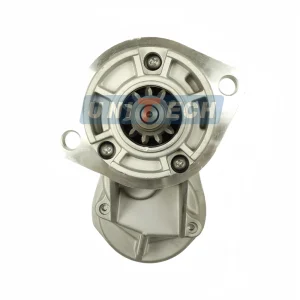
Both the starter solenoid and the starter motor are usually found near the engine. However, their exact positions differ. For instance, the starter solenoid is attached directly to the starter motor. You can find it mounted on the motor’s outer body. This position allows it to send electrical power to the motor more quickly. However, the starter motor is normally installed near the engine’s flywheel. It is often mounted to the engine block or transmission housing.
5- Power Consumption & Overall Electrical Requirements
In terms of power consumption, the starter motor is not very efficient. It has much higher electrical requirements. This is because it needs a large amount of current from the battery to produce enough turning force for the engine. That’s why the battery must be in good condition and must have enough power. On the other hand, the solenoid uses a small amount of electrical power. It uses power just to create a magnetic field and move its internal plunger. This reduces its overall energy usage and makes it energy efficient.
6- Failure Signs & Common Symptoms
Problems can occur in both the starter solenoid and the motor. But they show different symptoms and signs. Generally, a faulty starter solenoid causes a clicking sound when you turn the ignition key. You will hear one loud click, but the engine does not turn. Sometimes, you might also hear repeated clicks. This happens because the solenoid cannot make a proper electrical connection. On the flip side, any problem with the starter motor affects engine operation. If it becomes faulty, you will notice slow cranking, even if the battery has enough charge. Sometimes, the motor makes a grinding or unusual whining noise. This happens because of worn internal parts.
7- Ease of Maintenance & Repair
When it comes to maintenance and repair, the starter solenoid is generally easier to work on. It is less expensive to deal with than the starter motor. Why? Because it has simple construction, it’s easier to inspect and replace individual parts, even regularly. However, it needs attention when its electrical components get worn. In contrast, a starter motor has more internal components. That’s why it’s harder to find the exact faulty part, and fixing it also takes time and money.
8- Replacement Cost & Expenses
Lastly, the replacement cost and overall expenses also vary between the starter solenoid and the motor. In this term, the starter motor is expensive to replace. It contains several electrical and mechanical parts. So, its replacement involves higher labor costs, especially if the part is difficult to reach. However, you can buy a new one, which might cost less.
In contrast, the starter solenoid is much cheaper and easier to replace. It is a smaller component with a simpler design. If the solenoid is available separately, you will only need to pay for that part and its installation. This can further save money.
Conclusion
The starter solenoid and starter motor are two important parts of any vehicle. At first, they might look alike. But in reality, they work differently. In this guide, I have discussed their key differences. The solenoid controls the electrical connection and helps engage the starter gear. The motor uses that power to turn the engine and get it running. Knowing the differences can save time and money when your vehicle has starting problems.