


Introduction The starter motor’s purpose is to initiate engine rotation by supplying power. The battery powers the starter motor. During ignition, the engine is rotated at approximately 200-300 RPM. If there is any defect in the starter motor, the engine will not start. Once the failure is detected, the repair or replacement is required. The…
05
Jun
Jun
Introduction A starter starts your car engine. When you turn the key, the starter rotates the engine. Your car engine begins to operate. You cannot start your car engine without a functional starter. Car owners inquire about starter motor replacement due to unusual noises. They hear clicking sounds. They detect burning wires’ smells. Other drivers…

13
May
May
All cars require a starter motor to start. The starter motor spins the engine to allow the fuel to burn and generate power. The engine will not move without a starter motor. Both diesel and gasoline engines utilize starter motors, but in different ways. This difference comes from how each engine ignites and combusts fuel….

23
Apr
Apr
An alternator generates electricity so a vehicle can run. The battery starts the engine, and subsequently, the alternator takes over. When the alternator malfunctions, the car only runs until the battery is drained. After that, various problems arise, such as dimming lights, engine strain, or warning lights. There are three options when an alternator fails….

17
Apr
Apr
Introduction Cars and machines need electricity to run. In the past, cars used DC generators to make power. Today, almost every car uses an alternator instead. Both devices turn mechanical motion into electricity. Alternators offer many benefits that make them better for modern vehicles. They are more efficient, produce more power at low speeds, and…
01
Apr
Apr
A starter motor is necessary to start a car engine. It is a very important small part. When you rotate the key or hit a button, the starter motor helps to start the engine. Starter motors are now essential for most vehicles, which increases their demand. Market Size and Growth The global car starter motor…

27
Mar
Mar
Introduction Each car requires a constant flow of electricity to run daily. An alternator does this work. It also charges the battery and powers the accessories, such as the light, radio, and windows. The voltage produced by an alternator when the car’s engine is running is between 13 and 14.8 volts, while the battery holds…
24
Mar
Mar
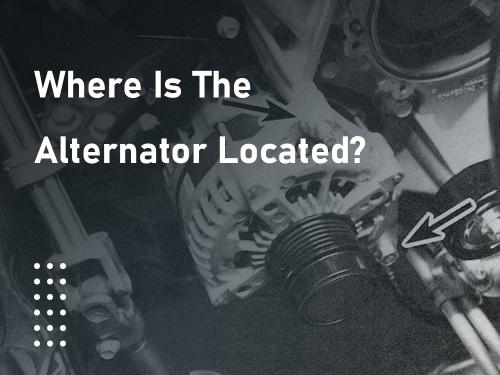
Your car requires power to operate the lights, wipers, and the radio system. The alternator produces this power as long as the engine is running. Without it, the battery begins losing its charge, and the car stops working. Most vehicles are fitted with the alternator close to the front of the engine space. You will…

26
Feb
Feb
Introduction The names of Chinese auto electrical parts suppliers have become more popular. These suppliers are providing their products to customers worldwide. These suppliers promote both OEM and aftermarket businesses. You can get every little automotive electrical component from the Chinese suppliers. Considering the traditional ignition engine or an EV component. All suppliers offer a…
10
Feb
Feb
Introduction When a vehicle fails to start, we blame the starter motor. It may be a small electrical unit, but it plays an important role in the engine’s operation. When it does not run, the vehicle becomes unreliable or completely unusable. This guide covers the most common starter motor problems. It also helps you determine…