
Introduction
The starter motor’s purpose is to initiate engine rotation by supplying power. The battery powers the starter motor. During ignition, the engine is rotated at approximately 200-300 RPM. If there is any defect in the starter motor, the engine will not start. Once the failure is detected, the repair or replacement is required.
The overall cost of the starter motor depends on its parts. This article explains each part and its functions. It then explains the price range for each part in 2026 and concludes by outlining the factors that affect starter motor prices.
Composition and Functions of Key Starter Motor Components

A starter motor consists of various mechanical and electrical components.
● Armature (Rotor)
Copper windings surround the iron core. A torque is generated by the rotation in the magnetic field during crank rotation. A copper commutator transfers the current as it rotates.
● Field Coils or Permanent Magnets
This housing contains coils of copper wire or magnets that generate magnetic fields. The force of rotation is generated through the interplay between the magnetic fields and the armature.
● Brushes and Brush Holder
This is composed of carbon blocks and provides electrical contact with the commutator. Wear occurs due to friction during rotation.
● Commutator
A commutator is used to connect the current flow between rotating parts. During the rotation cycle, the copper structure will remain in contact with the electricity.
● Solenoid
An electromagnetic switch controls the flow of high current to the battery. The gear is pushed towards the flywheel by the solenoid.
● Drive Pinion Gear (Bendix Gear)
The starter motor is connected to the flywheel ring gear by a steel gear. Torque transfer starts the engine crank movement.
● Housing and Bearings
A metal shell protects the inner parts. Bearings ensure the smooth rotation of shafts and minimize friction.
Each of these components plays a role in the electrical transfer and coordination of mechanical movement at the start of the engine.
2026 Price Reference for Mainstream Starter Motor Parts
The cost of starter motors ranges from different components to entire replacements.
Full Starter Motor Assembly
- Aftermarket or rebuilt unit: $80-$350
- OEM unit: $200-$600+
- Luxury or complex vehicle units: $1,000+
- Total replacement with labor: $400-$1,500
Individual Parts
- Solenoid: $20-$100
- Armature: $100-$300+
- Brush set: $10-$100
- Drive pinion gear: $20-$85
- Repair kit: $50-$350
- Bearing set: $5-$30
Labor Cost
- Mechanic labor per hour: $100-$300+
- Total labor time: 1-4 hours
The cost of replacing a starter motor depends on the vehicle’s design and the starter motor’s location in the engine bay.
Key Factors Influencing Starter Motor Parts Pricing
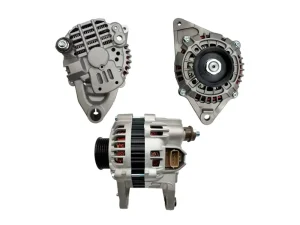
Several factors affect starter motor prices.
● Material Cost
Pricing depends on the cost of the raw material. The three main materials required are copper wire for winding, a steel body, and a magnetic material. Any fluctuation in metal prices affects the part’s price.
● Vehicle Type
Small passenger cars use lower-torque starting mechanisms, while trucks and diesel-powered vehicles use higher-torque starting units, which are relatively costly.
● OEM and Aftermarket Choice
The Original Equipment Manufacturer offers higher-quality parts at relatively high prices. Aftermarket parts have shorter lifespans and are priced lower.
● Design Complexity
The addition of start-stop features and integrated starters increases design complexity. Increased design complexity leads to high replacement costs.
● Labor Access
The placement of the starter motor in the engine compartment can impact repair time. Hard access increases labor costs due to additional disassembly tasks.
● Market and Supply Conditions
The market supply influences availability. Higher production capacity results in lower unit costs. When supply is low, replacement costs are high. Anyone considering starter motor parts must consider all these factors.
Conclusion
The starter motor system consists of both electrical and mechanical components that work together to start the engine. Its basic components include the armature, solenoid, brushes, and drive gears.
The cost of starter motor parts can range from $5 in the low-cost repair range to $600 or more in the high-cost full assembly range. Labor costs account for a major portion of the cost of installing a new starter motor.
Many factors affect the price of starter motors, including the type of car, material costs, complexity, and accessibility.